Market
About
10 Things to Know Before Moving to Barrie from Toronto

Hi, I'm Christine Weaver, a REALTOR® based right here in Barrie. I talk to Toronto and GTA families thinking about this move every week, and these are the things I make sure they know before we ever start looking at a specific house.
Barrie costs roughly half what Toronto does for a comparable home, adds about 60–90 minutes of commute each way, and runs at a smaller-city pace on Lake Simcoe. Here are the 10 things worth understanding before you decide.
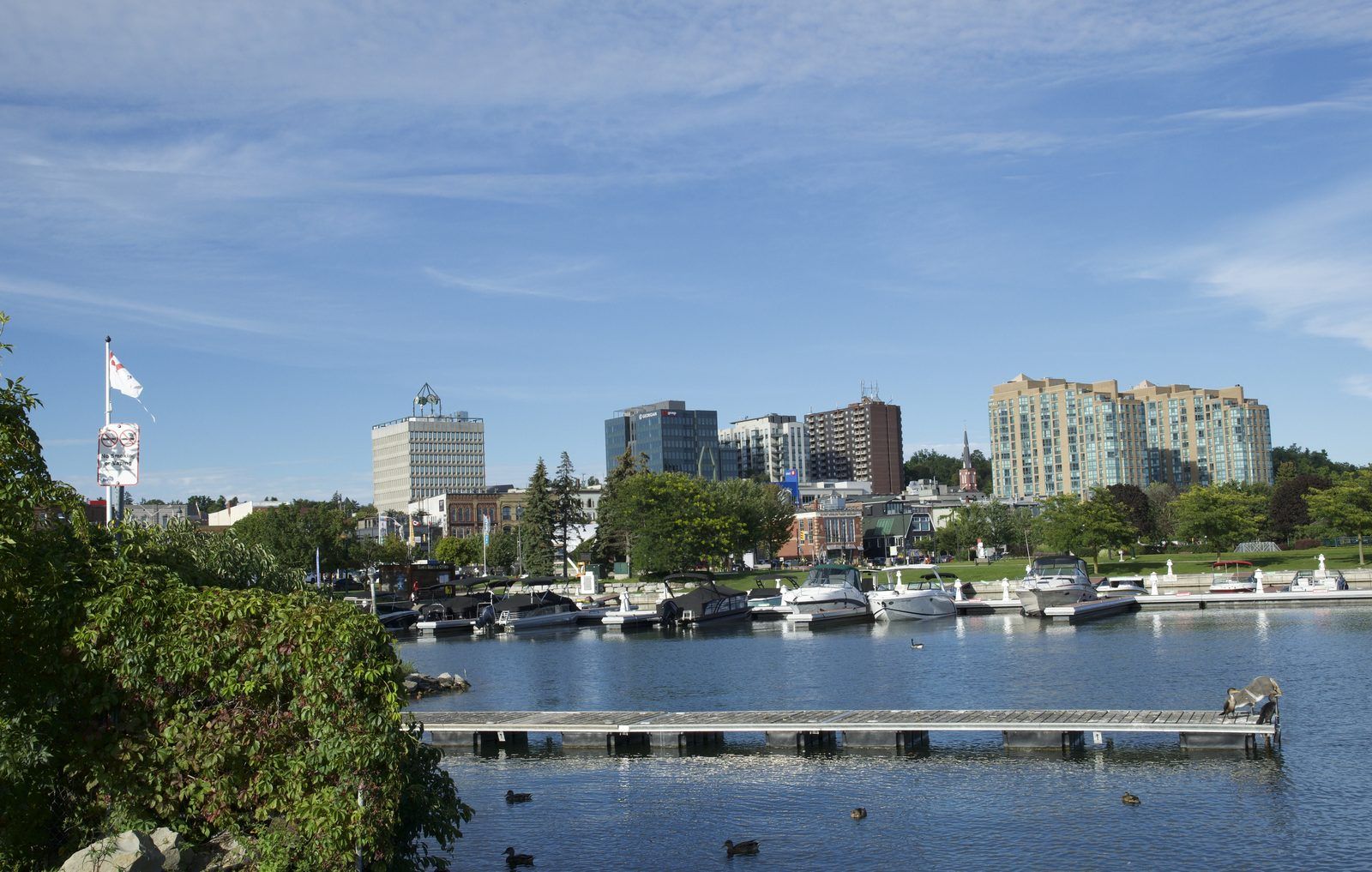
Barrie is its own city, not a Toronto suburb.
It has its own council, its own school boards, its own hospital. A lot of the people I work with are surprised by how independent it feels once they're here — it's connected to the GTA by commuters, not by governance, and that shapes everything from local politics to how services are run.
The price gap is real — especially if you want fully detached.
Barrie's overall average sold price (across all home types), verified against TRREB, sits at $667,703, but most of the families I work with are specifically after a detached house — and there, the average sold price comes in at $740,325. Compare that to well over $1 million for a detached home in most of Toronto, and it's easy to see why so many people make this move for a fully detached property with a real yard, without needing two full incomes just to qualify. These numbers shift over time, so I always confirm the current figure against your specific budget before you get your hopes up on a particular street.
“Compare that to well over $1 million for a detached home in most of Toronto.”
Right now, it's a buyer's market.
As of August 2026, there's roughly 6 months of inventory in Barrie, and sales are down a little year over year. That gives buyers more room to negotiate than we've seen here in a while — worth knowing if your last purchase happened during a tougher Toronto seller's market and you're bracing for a fight that may not be necessary.
The commute takes real planning, and it's changing.
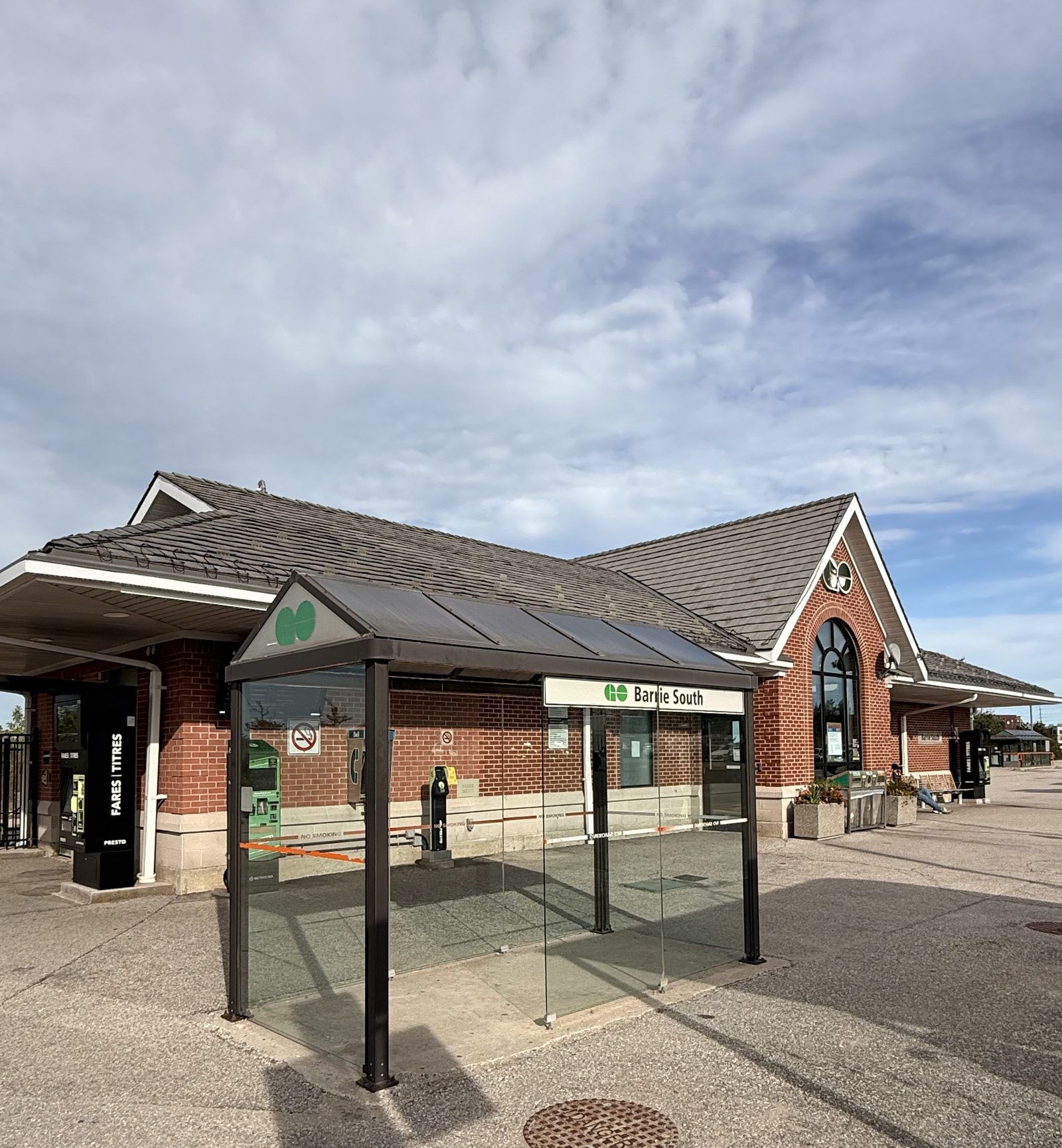
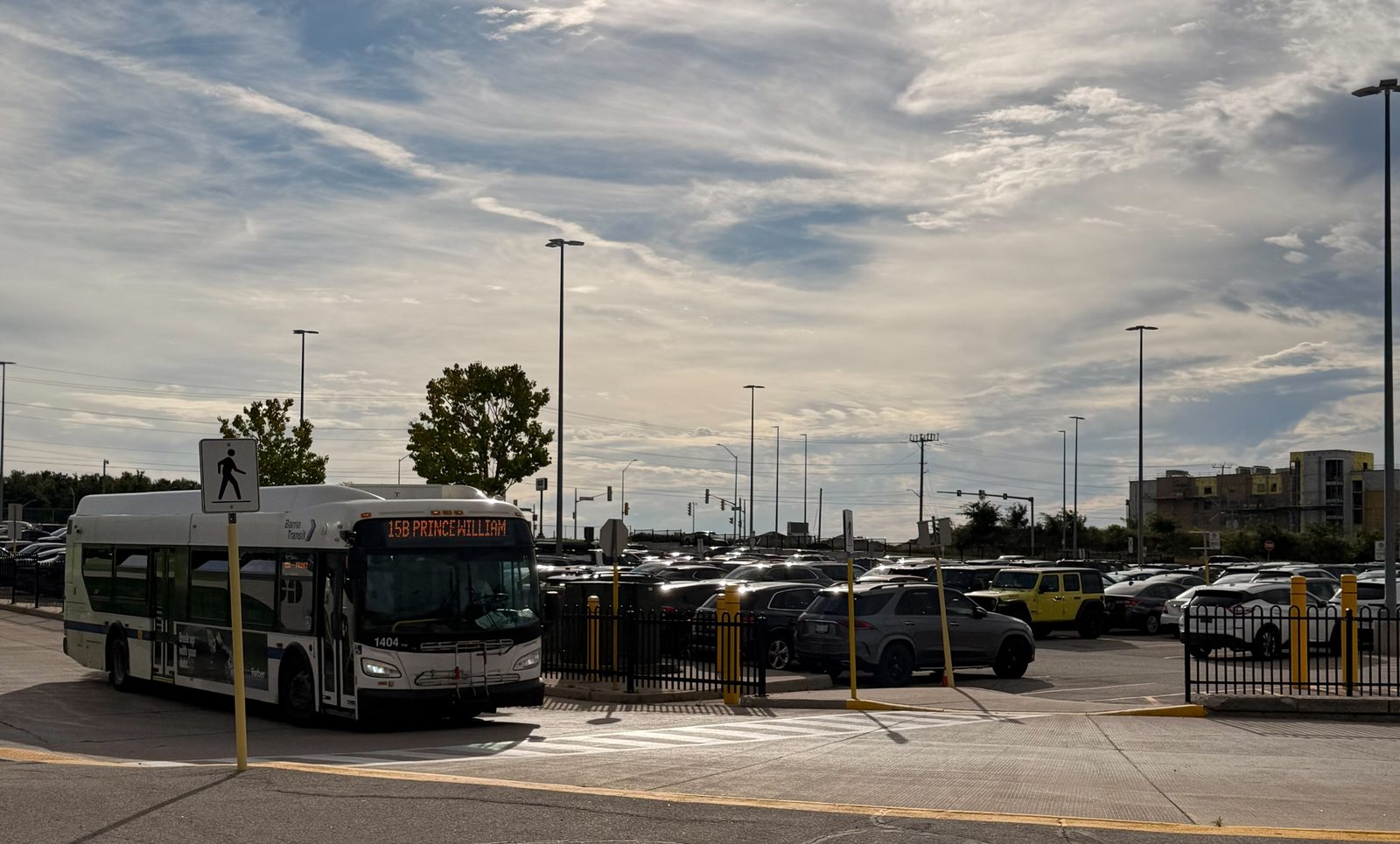
By GO Train, a trip to Union Station generally runs 1.5 to 2 hours depending on your station and the time of day. By car on Highway 400, plan on 1 to 1.5+ hours depending on traffic. Metrolinx is in the middle of expanding the Barrie line toward more frequent, two-way, all-day service — some of that work is done, some is still underway, and there's no confirmed finish date yet. As of September 2026, some evening and weekend trains are also temporarily reduced until spring 2027. None of this is a dealbreaker for most of the hybrid and remote workers I work with, but it's worth checking the live GO schedule before you commit to a specific commute plan.
Property taxes are going up a bit in 2026, and it's worth budgeting for.
Barrie approved an average residential tax increase of about 4.8% this year, which works out to roughly $300 more annually for the average home. Barrie's tax rate is actually higher than Toronto's, but because home values here are lower, the total bill on most properties still ends up smaller than an equivalent Toronto tax bill. I'm happy to run the real number on any specific address you're considering — it's more useful than a rule of thumb.
Barrie has two school boards, and a new school is on the way.
Families here choose between the Simcoe County District School Board (public) and the Simcoe Muskoka Catholic District School Board (Catholic), and which schools apply depends on your exact address — boundaries can shift in growing areas, so it's worth confirming directly with the board rather than assuming. One concrete update: SCDSB is building a new elementary school in southeast Barrie, at Ball Gate Drive and Thicketwood Avenue, with 616 pupil places, expected to open in 2028. If you're timing a move around your kids' school years, that date matters.
Barrie's neighbourhoods differ more than people expect from a small city.
South Barrie — Painswick, Holly, Ardagh, Innis Shore — is where a lot of GTA families land first, but those aren't interchangeable: Painswick and Holly are more established, Innis Shore is newer construction, and Ardagh sits somewhere in between. Closer to downtown and Allandale, you'll find older homes that are often priced closer to their land value than their finished condition, since many haven't been updated in decades. If you're coming from a recently renovated Toronto property, it's worth deciding upfront whether you want a home that's move-in ready or one you're willing to put work into — both are good options here, they're just different projects.
Winters bring lake-effect snow, especially near the water.
Barrie sits right on Lake Simcoe, and neighbourhoods closer to the shoreline tend to get more snow than you'd expect from the forecast alone. It's not a reason to avoid the waterfront — I just like clients to factor it into commute planning, not just the view.
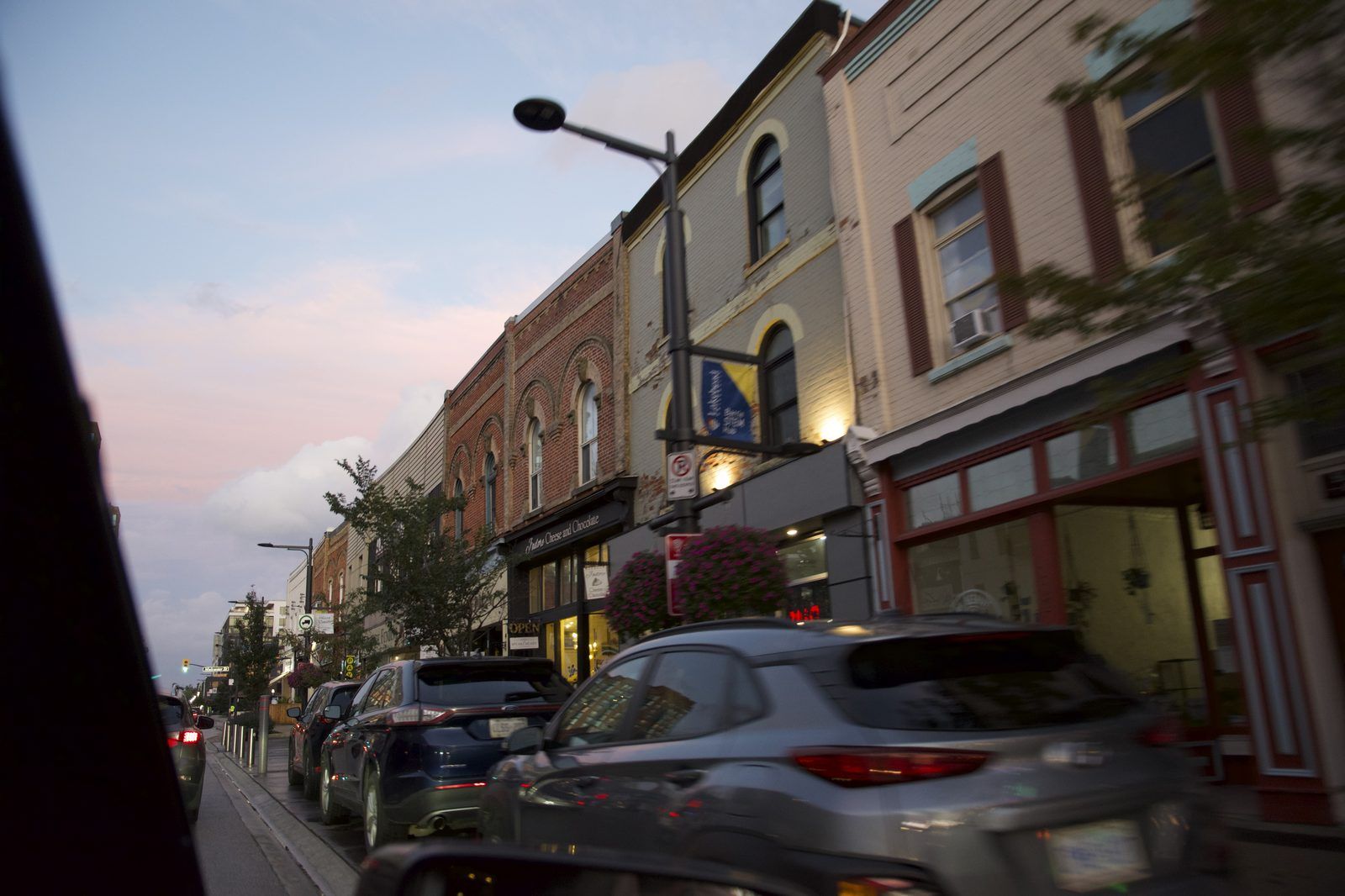
Barrie is busier than it used to be — especially in the south end.
A lot of people made this move because Barrie felt like a break from the pace of the city, and for many, it still is. But it's worth being upfront: South Barrie in particular has grown fast, and it doesn't feel as quiet as it did even a few years ago. The flip side is that South Barrie now has real conveniences — grocery stores, shopping, restaurants — within a few minutes' drive, which is actually part of the draw for a lot of the families I work with. It's also part of why the city keeps investing in new schools, transit and infrastructure: the growth is real, and Barrie is working to keep pace with it.
“The growth is real, and Barrie is working to keep pace with it.”
There's a lot to do here, in every season — not just summer.
Barrie's waterfront hosts Kempenfest, a four-day summer festival on Lake Simcoe, along with city beaches, parks and a growing trail network. But it's not only a warm-weather city: the Barrie Colts play OHL hockey at Sadlon Arena all winter, Five Points Theatre brings in live shows and performances year-round, and downtown sees its share of music festivals and events through the seasons. Barrie is also getting a professional soccer team — Toronto FC II is relocating here as “Barrie MLS NEXT Pro,” with a new 3,500-seat stadium planned for downtown. The move was announced in July 2026, with play expected to start in the 2028–29 season. It's easy to picture Barrie as just a place to sleep between commutes — most people find that's not really how it feels once they're here.
Quick-Take Summary
- ✓Barrie's median home price: $667,703 overall, $740,325 for detached (TRREB-verified), vs. $1M+ for detached in Toronto
- ✓Currently a buyer's market (~6 months of inventory)
- ✓Commute: 1.5–2 hrs by GO Train, 1–1.5+ hrs by car (Hwy 400)
- ✓Some evening/weekend GO trains reduced until spring 2027
- ✓2026 property tax increase: ~4.8% (~$300/year on the average home)
- ✓Two school boards: SCDSB (public) and SMCDSB (Catholic)
- ✓New southeast Barrie elementary school opens 2028
- ✓South Barrie neighbourhoods (Painswick, Holly, Ardagh, Innis Shore) are not interchangeable
- ✓Older homes near downtown/Allandale are often priced for land, not finish
- ✓Population projected to hit ~210,000 by 2031
- ✓Barrie is its own city, not a Toronto suburb
AEO Answers
Coming Next in This Series
Want the Honest Version?
Not the highlight reel — straight answers on what your budget actually gets you here, no pressure either way.
Categories